Resurrection Road (2025) [Blu-ray Review]

I first watched Resurrection Road back in the summer. That’s neither here nor there, but more of me checking my notes. There’s something genuinely refreshing about discovering a film that combines historical horror with genuine respect for both its period setting and supernatural elements, and Ashley Cahill’s Resurrection Road emerges as one of the most compelling genre hybrids of 2025.
Resurrection Road arrives on Blu-ray as a Civil War vampire thriller that takes its historical context seriously while delivering genuine scares and character development, proving that independent filmmaking can still surprise audiences willing to embrace unconventional premises.
What immediately struck me about Resurrection Road is how director Ashley Cahill treats the Civil War setting not as mere backdrop for supernatural action, but as integral to the film’s themes about freedom, sacrifice, and the different forms evil can take. The film follows an elite squad of six Black Union soldiers, led by former slave Barabbas (Malcolm Goodwin), sent on what appears to be a suicide mission to infiltrate a Confederate stronghold deep in the Arkansas wilderness and destroy long-range artillery that could alter the war’s outcome.
I’ve always been drawn to horror films that use their supernatural elements to explore deeper historical and social truths, and Resurrection Road represents this approach at its most effective. Cahill doesn’t use vampires as simple monsters to be defeated, but as manifestations of the same evil that perpetuated slavery and threatened to tear the nation apart.
Table of Contents

Blood and Bondage: The Mission Begins
Resurrection Road opens with a prologue that immediately establishes both the film’s Civil War authenticity and its supernatural undercurrents. The year is 1863, and the Union Army has identified a Confederate stronghold hidden deep in the Arkansas forests, where advanced artillery threatens to shift the balance of power in the western theater. What makes this mission particularly significant is the choice to send an all-Black unit into enemy territory – men whose very presence behind Confederate lines represents both tactical advantage and extreme danger.
Malcolm Goodwin delivers a commanding performance as Barabbas, the squad leader whose own history as a slave gives him intimate knowledge of Southern geography and Confederate psychology. Goodwin brings both physical presence and emotional depth to the role, creating a character whose tactical skills are matched by his understanding of what failure means not just for the mission, but for the broader cause of freedom.
The supporting cast of soldiers each brings distinct personality and motivation to what could have been generic military roles. Furly Mac’s character provides both comic relief and technical expertise, while the ensemble work creates genuine camaraderie that makes their eventual supernatural encounters more impactful. These men feel like authentic Civil War soldiers rather than modern actors playing dress-up.
The early mission briefing scenes establish the film’s commitment to period accuracy, with authentic uniforms, weapons, and military terminology that demonstrates Cahill’s research into Civil War history. The dialogue feels natural within the 1860s context while remaining accessible to contemporary audiences, avoiding both modern anachronisms and artificial “period speak.”
As the squad begins their journey through Confederate territory, Resurrection Road builds tension through careful pacing and environmental detail. The Arkansas wilderness feels genuinely threatening even before supernatural elements emerge, with practical locations and cinematography that captures both the natural beauty and inherent danger of moving through hostile territory.
Confederate Nightmares: When History Meets Horror
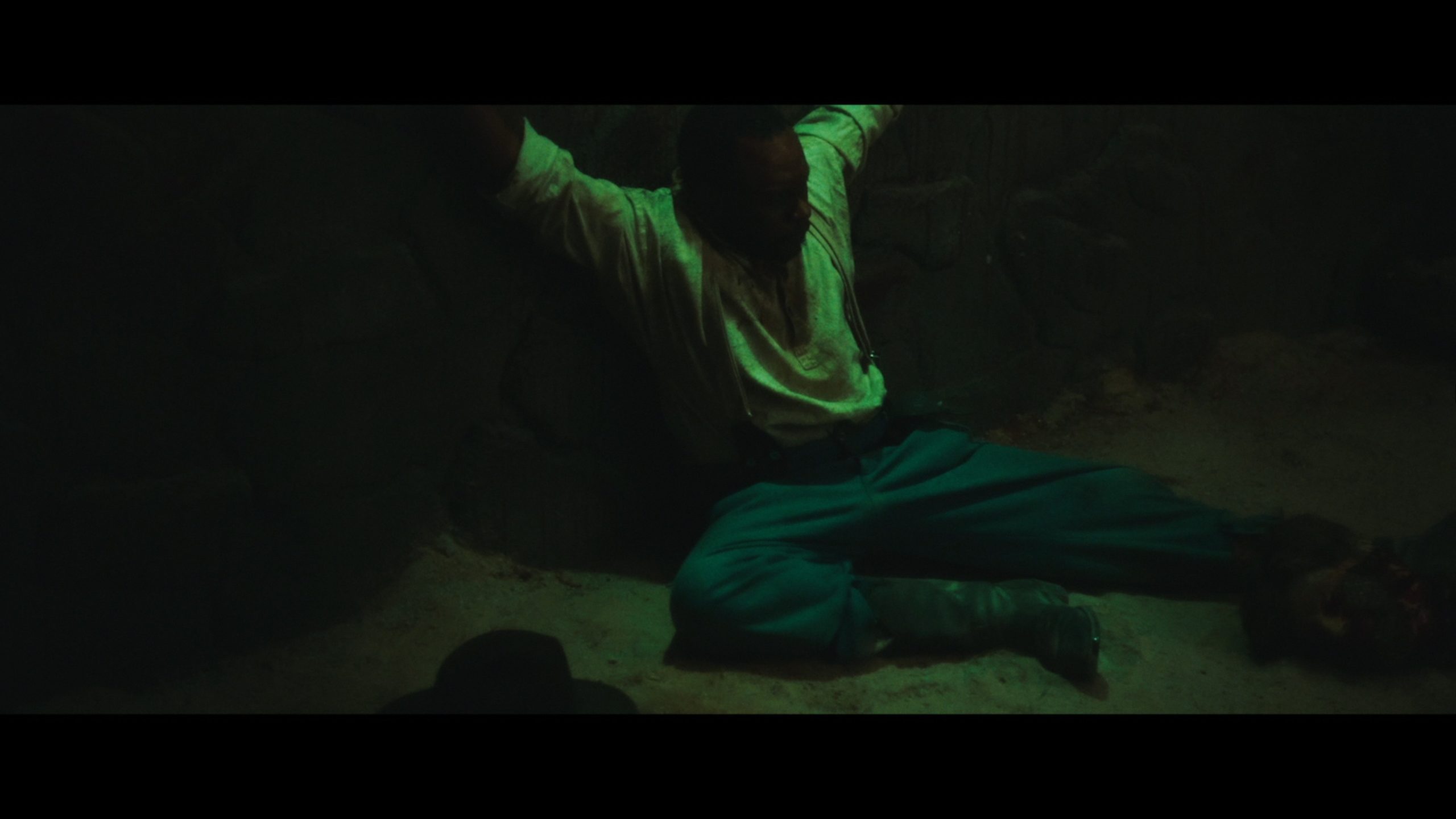
The genius of Resurrection Road lies in how seamlessly it integrates its vampire mythology with Civil War history, making the supernatural elements feel like natural extensions of the period’s very real horrors. When the squad discovers that the Confederate stronghold harbors something far worse than artillery, the revelation enhances rather than contradicts the historical context.
The vampires in Resurrection Road aren’t romantic figures or sympathetic monsters, but embodiments of the same evil that justified slavery and promoted racial hatred. Their Confederate allegiance isn’t coincidental but thematic – they represent the literally bloodsucking nature of an economic system built on human bondage and the spiritual corruption that enabled such systematic dehumanization.
Michael Madsen appears in what would become his final film role before his passing, bringing gravitas to his Confederate antagonist that goes beyond simple villainy. Madsen’s performance suggests someone whose moral compromise preceded his supernatural transformation, making him genuinely frightening because his evil feels rooted in recognizable human failings rather than otherworldly corruption.
The film’s approach to racial themes demonstrates remarkable sophistication, using the supernatural elements to explore how hatred and dehumanization can literally transform people into monsters. Resurrection Road suggests that vampirism in this context represents the logical extreme of treating other humans as less than human, creating horror that resonates on multiple levels.
Triana Browne delivers a memorable performance as a Native American character who becomes crucial to the squad’s survival, representing another group marginalized by dominant white society. Her character’s knowledge of both the supernatural threat and the local geography provides practical assistance while adding thematic depth about different forms of resistance to oppression.

Practical Effects and Period Authenticity
One of Resurrection Road’s greatest strengths lies in its commitment to practical effects and period authenticity, creating visceral horror through traditional makeup, squibs, and clever cinematography rather than digital enhancement. The vampire transformations feel genuinely unsettling because they rely on practical makeup work that interacts naturally with lighting and shadow.
The action sequences benefit enormously from the use of real blank-firing weapons and practical blood effects, creating gunfights that feel immediate and dangerous rather than artificial. The sound design captures the distinctive report of Civil War-era firearms while maintaining spatial audio that helps viewers track the tactical situation during combat.
Production design deserves special recognition for creating believable Civil War environments on what was clearly a modest budget. The Confederate stronghold feels authentically period-appropriate while also serving as an effective horror setting, with practical locations that provide both historical credibility and atmospheric menace.
The costume design demonstrates meticulous attention to Civil War military and civilian dress, with Union uniforms, Confederate clothing, and period-appropriate accessories that enhance rather than distract from the storytelling. The visual contrast between the Union soldiers’ blue uniforms and their Confederate enemies helps maintain tactical clarity during the more chaotic supernatural encounters.
Cinematographer work captures both the natural beauty of the Arkansas locations and the growing supernatural threat through careful use of natural lighting and practical shadow effects. The film avoids the digital color grading that can make period films feel artificial, instead maintaining the organic look that comes from shooting in real locations with careful attention to available light.
Character Development Under Fire
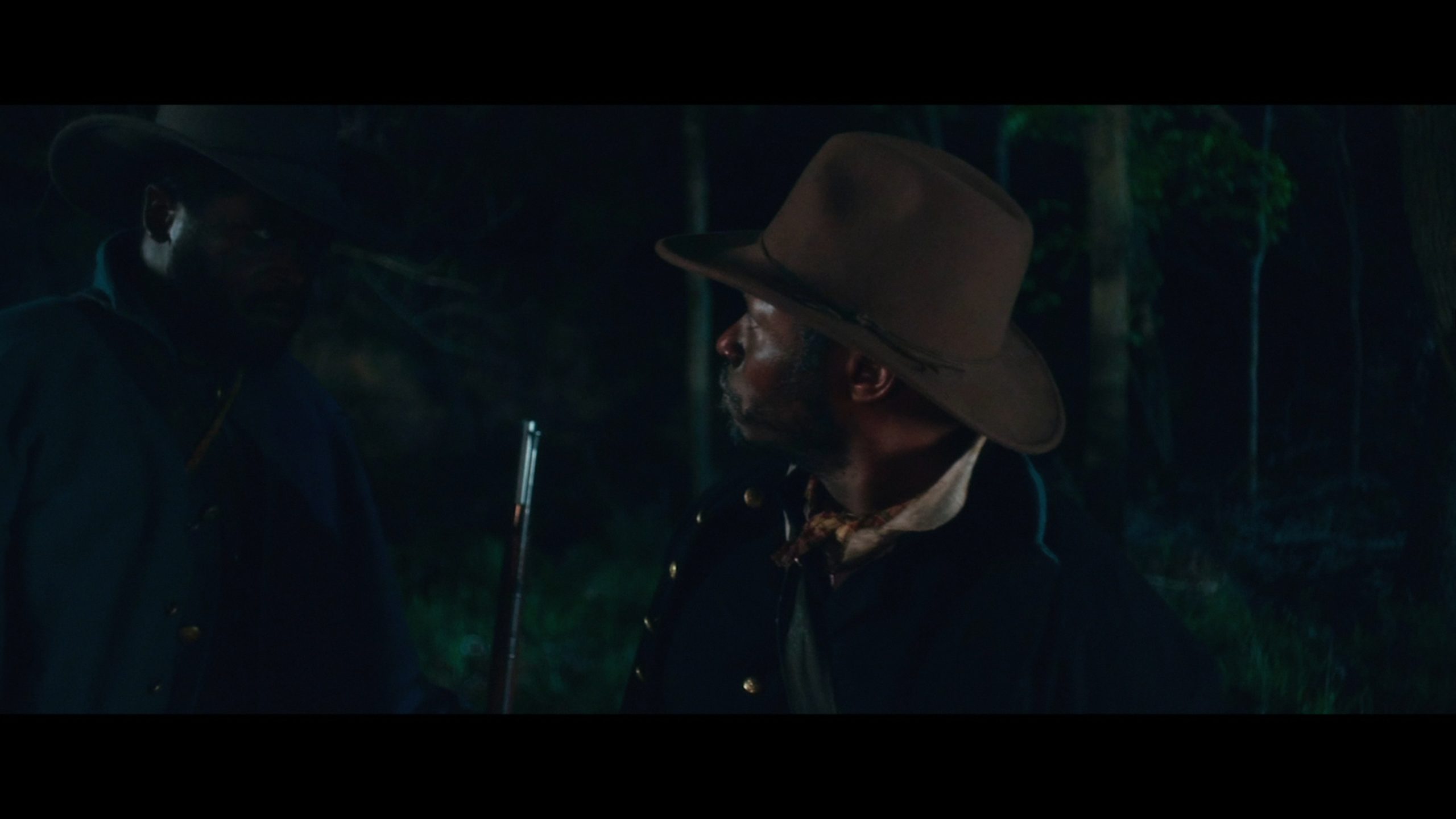
What elevates Resurrection Road above simple genre exercise is its commitment to character development that extends beyond basic military archetypes. Each squad member receives enough individual attention to feel like a distinct person with personal motivations that go beyond completing the mission.
The relationship dynamics within the squad reflect both the camaraderie that develops among soldiers facing extreme danger and the specific psychological pressures faced by Black troops fighting for a country that had yet to guarantee their full citizenship. Resurrection Road handles these themes with appropriate gravity while avoiding heavy-handed messaging that would undermine the entertainment value.
Barabbas’s leadership style reflects his understanding that these men are fighting for more than just military victory – they’re proving their worth as soldiers and citizens while knowing that failure could set back the broader cause of emancipation. Goodwin’s performance captures both the tactical requirements of military command and the additional psychological burden of representing his race under fire.
The interactions between squad members reveal different backgrounds and motivations that brought them to this particular mission, from former slaves seeking revenge against their oppressors to free-born men fighting for abstract principles of equality and justice. These character distinctions become crucial when supernatural threats force the soldiers to rely on each other in ways that transcend military hierarchy.
Religious faith plays an important role in how different characters respond to supernatural horror, with some drawing strength from Christian beliefs while others struggle to reconcile their spiritual convictions with the reality of vampires and other unholy creatures. Resurrection Road treats these religious elements with respect while acknowledging the complex relationship between Christianity and slavery in Civil War America.
Technical Presentation: Solid Regional Horror
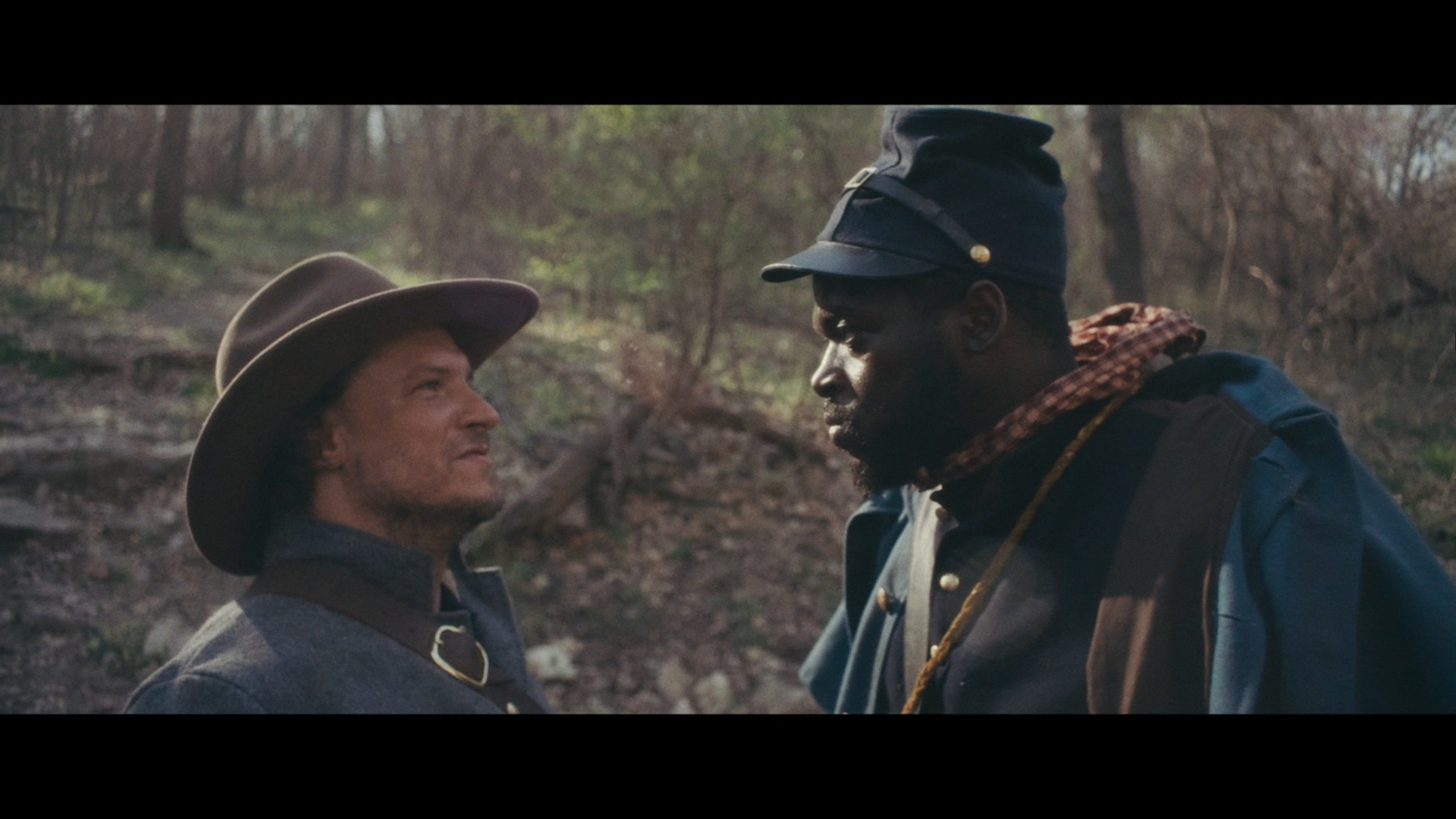
The Blu-ray presentation of Resurrection Road provides technically solid support for this independent production, with 1080p video that captures both the period details and supernatural effects clearly without revealing budget limitations. Shot digitally with careful attention to period-appropriate lighting, the transfer maintains natural color reproduction that supports the historical setting.
Detail levels prove consistently strong throughout, particularly important for appreciating the practical effects work and period costume design. Facial textures show good clarity during dialogue scenes, while the action sequences maintain sufficient detail to track tactical developments and supernatural transformations without becoming confused or murky.
Color reproduction appears natural and film-like throughout, with careful attention to period-appropriate palettes that avoid the oversaturated digital look that can plague low-budget productions. The earth tones and muted colors that dominate the Civil War setting feel authentic while providing appropriate contrast for the more visceral horror elements.
Black levels maintain good depth without crushing shadow detail, important for both the nighttime sequences and the atmospheric horror scenes that take place in dimly lit interiors. The transfer successfully balances the need to maintain visibility during action sequences with the atmospheric requirements of effective horror cinematography.
The DTS-HD Master Audio 5.1 soundtrack provides immersive support for both the period action and supernatural horror elements. Environmental audio effectively captures the sounds of Civil War-era combat – musket fire, cannon reports, and the ambient sounds of military encampments – while creating appropriately unsettling atmospheres for the horror sequences.
Sound effects receive excellent treatment through the surround mix, with gunfire and other combat sounds maintaining proper directional information and dynamic range. The practical weapons used during filming translate effectively to the audio presentation, creating more convincing combat sequences than digital sound effects typically provide.
Dialogue reproduction remains clear and intelligible throughout, crucial for following both the tactical discussions and character development. The period-appropriate speech patterns and military terminology come through cleanly while maintaining natural vocal timbres that support the performances.

Special Features: Behind Confederate Lines
The Blu-ray includes several featurettes that illuminate the production challenges and creative decisions involved in bringing Resurrection Road to the screen. While not comprehensive, these materials provide valuable insight into independent filmmaking approaches and the research that informed the historical elements.
“Making Resurrection Road” offers standard behind-the-scenes material that covers the casting process, location scouting, and the challenges of creating period-appropriate Civil War environments on an independent budget. The featurette demonstrates the collaborative effort required to achieve authentic historical detail while maintaining horror effectiveness.
“Practical Effects and Period Authenticity” examines the decision to use practical makeup and effects rather than digital alternatives, showing how traditional techniques can create more convincing supernatural transformations. This material proves particularly interesting for viewers curious about low-budget filmmaking approaches.
Director and cast commentary provides additional context about the historical research and creative choices that shaped the film, including discussions of how the vampire mythology was integrated with Civil War themes. The commentary demonstrates genuine enthusiasm for both the historical period and horror genre conventions.
“Historical Context” offers brief educational material about the role of Black soldiers in the Civil War and the specific historical background that informs the film’s setting. While not academically comprehensive, this featurette provides useful context for viewers unfamiliar with this aspect of Civil War history.

Supernatural Civil War Cinema: Genre Innovation
Resurrection Road occupies an interesting position within the broader landscape of Civil War cinema and vampire horror, combining elements that are rarely merged effectively. The film succeeds where many period horror movies fail by treating both its historical setting and supernatural elements with equal seriousness rather than using one to excuse weaknesses in the other.
The Civil War provides perfect context for vampire horror because both involve questions about the value of human life and the nature of evil that corrupts individuals and entire societies. Resurrection Road understands that slavery itself represented a form of vampirism – the systematic draining of human dignity and life force for economic benefit – making the supernatural metaphor feel thematically appropriate rather than arbitrary.
The film’s approach to military action demonstrates understanding of Civil War tactics and strategy while adapting them for supernatural threats. The squad’s training and equipment prove partially effective against vampire enemies, but they must also adapt their conventional military thinking to address threats that don’t follow normal rules of engagement.

Personal Perspective: Independent Horror Done Right
I’ve always appreciated independent horror films that demonstrate creativity and passion can overcome budget limitations, and Resurrection Road represents this philosophy at its most successful. The film succeeds through intelligent writing, committed performances, and practical filmmaking techniques rather than expensive digital effects or star power.
What impresses me most about Resurrection Road is how director Ashley Cahill manages to balance multiple genre elements without allowing any single aspect to overwhelm the others. The Civil War setting feels authentic, the horror elements genuinely scary, and the character development substantial enough to create emotional investment in the outcome.
The movie’s treatment of racial themes demonstrates the kind of sensitivity often missing from genre films that use historical settings as mere backdrop for action or horror. Resurrection Road understands that its Civil War context carries real historical weight that must be respected even within a supernatural framework.
Cultural Significance and Historical Horror
Resurrection Road arrives at a moment when American society continues grappling with the legacy of slavery and the Civil War, making its themes about different forms of evil particularly relevant. The film’s suggestion that some forms of moral corruption can literally transform people into monsters resonates with contemporary discussions about systemic racism and inherited trauma.
The decision to focus on Black Union soldiers as protagonists provides perspective often missing from Civil War narratives, highlighting the complex motivations and additional pressures faced by men fighting for a country that had yet to guarantee their full equality. Resurrection Road treats these historical realities with appropriate gravity while maintaining its entertainment value.
The film’s vampire mythology offers interesting commentary on how evil perpetuates itself across generations, with the supernatural curse serving as metaphor for how hatred and dehumanization can be passed down through families and communities. This thematic depth elevates Resurrection Road above simple period action or basic horror entertainment.

Technical Craftsmanship: Maximum Impact from Minimal Resources
The technical achievements of Resurrection Road demonstrate how creative filmmaking can overcome budget constraints through careful planning and practical expertise. The film’s period authenticity emerges from research and attention to detail rather than expensive production design, while the horror effects rely on traditional techniques that often prove more effective than digital alternatives.
The action sequences benefit from clear cinematography and practical stunt work that creates convincing combat without requiring elaborate special effects. The vampire encounters use lighting, makeup, and creative editing to suggest supernatural power and menace without relying cheap theatrics.